
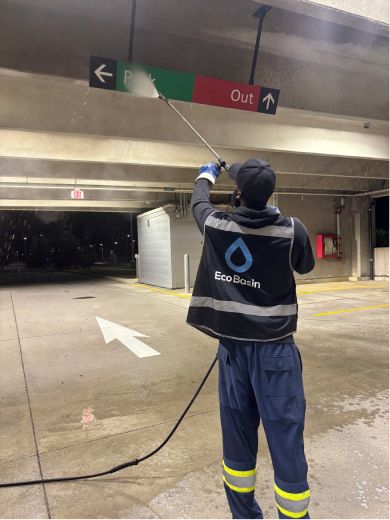
Spring has officially arrived, and for many property owners across Canada, that means a growing list of outdoor chores. You might be focused on landscaping, power washing, or checking your roof for winter damage. However, there is a hidden danger lurking beneath the surface of your parking lot or driveway. After a long winter of heavy salting and sanding, your drainage system is likely filled with a dense, corrosive sludge. If you don’t prioritize professional catch basin cleaning right now, the first major rainstorm of the season could turn your property into an unwanted lake.
Much like how you wouldn’t ignore a persistent, heavy cough and wait weeks to see a family doctor, you shouldn’t ignore the warning signs of a sluggish or struggling drain. By the time you see a massive puddle forming over your grate, the internal damage to your infrastructure may already be done. In 2026, the standard for property care has shifted toward precision and prevention. We now know that the “old-fashioned” way of clearing a drain simply isn’t enough to handle the modern environmental pressures and the extreme weather patterns we are seeing this year.
The “Surface Deception”: Why a Shovel Isn’t Enough
Many property managers fall into what we call the “handyman trap.” They see a storm grate covered in a few stray leaves or a bit of gravel and assume a quick sweep with a shovel or a rake is sufficient. This is a dangerous misconception. If you only clean the top of the grate, you are essentially just decorating a clog. The real threat to your property lies three to four feet underground in the “sump”—the specialized area at the bottom of the catch basin designed to trap heavy debris before it enters the pipes.
Over the winter, road salt, sand, and heavy gravel accumulate in this sump. As the snow melts, these materials mix with water and organic matter, compacting into a heavy, concrete-like mass. A manual shovel cannot reach this depth effectively, and it certainly cannot break apart the solidified grit that settles in the corners of the basin. This is a primary reason why professional catch basin maintenance protects your structural integrity. When that bottom layer remains packed with debris, the basin loses its “settling” capacity. The water has nowhere to go but up, leading to the exact scenario every owner wants to avoid: blocked storm drains that lead to surface-level chaos.
The Hydro-Vac Advantage: Total System Restoration
In 2026, professional maintenance teams have largely moved away from manual labour in favour of Hydro-Vac technology. This process is the only way to ensure a total system restoration. Hydro-Vac uses high-pressure water jets to break apart the compacted sludge at the bottom of the basin. Simultaneously, an industrial-strength vacuum suction system pulls the debris directly into a specialized debris tank.
This isn’t just about the basin itself, however. A professional vacuum service also flushes the outlet pipes. These are the critical horizontal pipes that lead water away from your property and into the municipal storm system. Manual cleaning ignores these pipes entirely because they are physically impossible to reach with hand tools. If a large branch, a plastic bottle, or a collection of hardened road salt is lodged ten feet into a pipe, a shovel is useless. Professional vacuuming clears the entire path, ensuring your property is ready for the 100mm rainfalls that are increasingly common in the late spring. It is one of those essential exterior maintenance tasks that prevent costly repairs down the road. By ensuring the entire “vein” of your drainage is clear, you significantly reduce the risk of a catastrophic backup.
Why 2026 Standards Demand Vacuum Extraction
Environmental regulations have become much stricter this year, particularly regarding how we handle runoff in urban centers. Shovelling out a catch basin is a messy, imprecise process that often leads to “splashback” or secondary runoff. This allows pollutants like motor oil, heavy metals, and highly concentrated road salt to wash into the surrounding soil or nearby grass.
Hydro-Vac services offer a “closed-loop” solution. Every ounce of contaminated sludge is captured by the vacuum and hauled away to a certified disposal facility. This protects your property from potential environmental liability and municipal fines. It also prevents the “invisible flood” that happens when water surcharges out of a full basin and into the sub-base of your asphalt. When you use professional tools to prevent property flooding, you are doing more than just moving water. You are preserving the chemical and physical health of your land and staying compliant with 2026 environmental standards.
The Hidden Link to Structural Health
We often talk about drainage as a water management issue, but it is actually a foundation and pavement issue. When a catch basin is full of winter grit, water stays in the basin much longer than it should. This stagnant, salty water is highly corrosive. It eats away at the mortar, the concrete rings, and the bricks that make up the walls of the basin. Over time, this erosion causes the earth around the basin to collapse inward.
This process eventually creates dangerous sinkholes in your parking lot or driveway. What starts as a small “dip” in the asphalt near the grate can quickly turn into a massive void that swallows a vehicle’s tire or causes a pedestrian to trip. Using a professional vacuum service ensures the basin is completely empty and clean. This allows for a clear, unobstructed visual inspection of the structure. A trained technician can spot a small crack or a shifting brick in April that could have become a $10,000 sinkhole repair by July. This is a prime example of how catch basin maintenance protects your structural integrity. You aren’t just cleaning; you are performing a vital audit of your property’s foundation.
The Cost of Neglect vs. The Value of Maintenance
Many owners hesitate to book a professional service because they are looking at the immediate bottom line. However, the math of drainage is simple: an ounce of suction is worth a pound of excavation. If you allow blocked storm drains to persist, you aren’t just dealing with a puddle. You are dealing with water that is actively seeping into the sub-layers of your asphalt. Once the sub-base becomes saturated, it loses its ability to support weight, leading to “alligator cracking” and total pavement failure.
When you factor in the cost of emergency plumbing, asphalt patching, and potential liability from slip-and-fall accidents in a flooded parking lot, the price of professional catch basin cleaning is incredibly low. It is arguably the most cost-effective of all exterior maintenance tasks that prevent costly repairs. In 2026, savvy property managers treat this as a non-negotiable part of their spring startup routine, right alongside their HVAC tune-ups and roof inspections.
Preparing for the May Deluge
As we move deeper into the month, the frequency and intensity of Canadian spring rain will only increase. Waiting until your parking lot is underwater or your tenants are complaining about “Lake Parking Lot” to call for help is a recipe for a logistical and financial disaster. Professional vacuum-based cleaning is no longer a luxury for high-end commercial sites; it is a baseline requirement for any responsible property management plan.
By choosing high-tech vacuum extraction over a simple shovel and bucket, you ensure that your property is truly protected. You ensure that blocked storm drains don’t jeopardize your business operations or the safety of your visitors. This service remains one of the most effective exterior maintenance tasks that prevent costly repairs, and it is the only way to ensure that catch basin maintenance protects your structural integrity. Take the time this week to prevent property flooding the right way. Ensure your drainage system is empty, clear, and ready to handle whatever the 2026 spring clouds decide to bring.

