
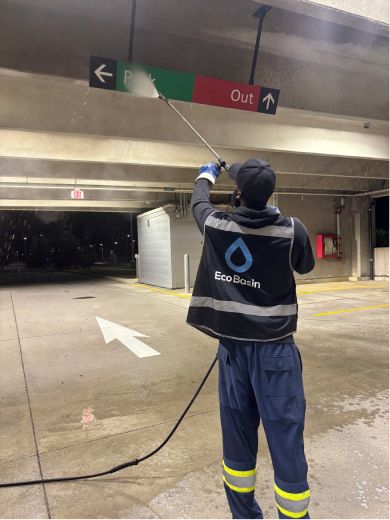
When most property managers look at a parking lot in mid-April, they see a checklist of aesthetic concerns. They might notice fading lines that need repainting or litter that has accumulated under snowbanks. However, the most significant threat to the property’s longevity is often invisible, sitting just a few feet beneath the asphalt. A neglected drainage system is a ticking clock for structural failure. In the high-stakes environment of a Canadian spring thaw, staying on top of catch basin cleaning is not just about moving water; it is about preserving the structural integrity of your investment.
While some owners might focus on visible indoor structural fixes like basement underpinning to solve settling issues, they often overlook the external root causes. Water that isn’t managed correctly outside will inevitably find its way inside. If your exterior drainage fails, no amount of interior bracing can fully protect the structure from the relentless force of April’s runoff. Understanding the link between a clear drain and a solid foundation is the first step in responsible 2026 property management.
The Science of Soil Saturation and Pavement Failure
To understand why drainage is a structural issue, we have to look at what lies beneath your asphalt. A parking lot is not just a slab of blacktop. It is a carefully engineered system of layers. Beneath the surface is a compacted sub-base of gravel and soil. The design of this sub-base ensures that it remains dry and stable. When a catch basin becomes blocked by winter sand and road salt, the water has nowhere to go. It begins to “surcharge,” meaning it is forced out of the basin’s side walls and into the surrounding ground.
As this soil becomes saturated, it loses its load-bearing capacity. Think of it like a sponge; when dry, it is firm, but when soaked, it becomes soft and pliable. When heavy vehicles drive over asphalt supported by waterlogged soil, the pavement begins to flex. This leads to “alligator cracking”—a pattern of cracks that resembles the skin of a reptile. Once these cracks appear, the structural integrity of the parking lot is compromised. Scheduling a professional catch basin cleaning service prevents this saturation from occurring. By keeping the water contained within the concrete basin and flowing toward the municipal lines, you ensure the ground beneath your feet remains solid.
The Hidden Danger of Hydrostatic Pressure
One of the most destructive forces in the world of construction is the hydrostatic pressure that builds up when water is trapped against a structure. In April, as the frost leaves the ground and the rains arrive, the volume of water around your catch basins and building foundations reaches its peak. If a basin is clogged, that water is trapped. It begins to exert immense outward pressure on the concrete walls of the basin and, eventually, your building’s footings.
This pressure can cause concrete to bow, crack, or shift. Even a small hairline fracture in a catch basin wall can lead to “piping,” where water begins to wash away the soil from behind the wall. This is how the dreaded “sinkhole” is born. What looks like a small dip in the asphalt near the drain is often a sign that a massive void has been hollowed out underneath. This isn’t just a tripping hazard; it’s a sign of localized structural collapse. Addressing the clog before this pressure peaks is the only way to ensure the safety of your tenants and visitors.
Protecting the Perimeter: The Building’s First Line of Defence
We often view catch basins as isolated units in the middle of a lot, but they are the primary “overflow valves” for your entire property. When these basins fail, the water doesn’t just sit still. It follows the path of least resistance, which often leads directly toward the building’s perimeter. This is where the real structural danger begins.
When water pools against a building’s foundation, it seeks out any entrance. It can seep through window wells, cold joints, or minor cracks in the concrete. By ensuring your storm drains are clear, you effectively protect your property’s foundation from unnecessary water exposure. A functional drainage system acts as a shield, diverting thousands of gallons of runoff away from your most expensive asset. In the context of 2026 climate patterns, where “1-in-100-year” storms are becoming annual events, this diversion is more than just a convenience—it is a mandatory survival strategy for the structure.
Does the State of Your Catch Basin Affect the Value of Your Property?
For many owners, the ultimate question is one of ROI. You might wonder: Does the state of your catch basin affect the value of your property in a tangible way? The answer is a resounding yes. During a property audit or a pre-sale inspection, savvy buyers and inspectors look specifically at the drainage health. A parking lot riddled with sinkholes and “alligator cracking” is a red flag that signals years of neglected maintenance.
The cost of replacing a collapsed catch basin and the surrounding fifty square feet of asphalt can easily reach five figures. Conversely, a well-maintained system suggests that the property has been cared for at a professional level. It tells a potential buyer that the sub-surface is stable and the building’s foundation is dry. In 2026, when commercial and residential buyers are increasingly risk-averse regarding environmental and structural issues, a clean drainage record is a powerful selling point. It preserves your equity by preventing the kind of “silent” damage that buyers use as leverage to lower their offers.
The ROI of Professional Maintenance
When you weigh the cost of a vacuum service against the cost of structural repair, the choice becomes clear. A professional cleaning removes the concentrated road salt that acts like sandpaper on your concrete walls. It removes the “brine” that speeds up the corrosion of metal grates and frames. This proactive care extends the lifespan of your drainage infrastructure by decades.
Instead of reactive spending—where you pay emergency rates to fix a sinkhole or a flooded basement—proactive maintenance allows for predictable budgeting. It turns a potential structural catastrophe into a routine maintenance task. By identifying small cracks during a spring cleaning, you can perform minor “point repairs” that save the entire basin from a future collapse. This is the definition of asset management: spending a small amount today to protect a massive investment tomorrow.
Securing Your Assets for the Season Ahead
As we navigate the final weeks of the spring thaw, the window for preventative maintenance is closing. The heavy rains of May and June will soon put every drain on your property to the test. If those drains are currently packed with a winter’s worth of sand, salt, and debris, they will fail. That failure will not just cause a puddle; it will invite water to attack your asphalt and your foundation.
Investing in a professional catch basin cleaning service is an investment in the very ground your property sits on. It is the most effective way to manage the hydrostatic pressure that builds up during the thaw and the only way to truly protect your property’s foundation. Remember that the state of your catch basin affects the value of your property far more than a fresh coat of paint or new signage ever could. Take action this month to ensure your infrastructure is as solid as your business. Clear the drains, secure the sub-base, and rest easy knowing your property is built to last through another Canadian spring.

