
Owning a Canadian home means keeping a close eye on your exterior surfaces. Property owners regularly spend thousands of dollars upgrading their roofing systems to survive heavy snowfalls and spring downpours. However, water also poses a massive threat from below the ground level. Scheduling routine catch basin cleaning is a highly essential maintenance task that protects your driveway from sudden, catastrophic failures. Neglecting your subterranean drainage systems can lead to structural damage that is incredibly costly to repair.
When pavement begins to settle, many homeowners think it is just a cosmetic issue. In reality, shifting pavement is often a sign of a much deeper problem beneath the surface. Catch basins are designed to collect water and channel it safely away from your driveway. When these systems fail due to age or blockages, water begins to escape into the surrounding soil. This underground water escape slowly washes away the dirt supporting your driveway, leading to the sudden collapse of the pavement above.
The Quick Edit
- The Sunk Threat: A blocked or cracked catch basin allows water to escape directly into your driveway’s underlying soil bed.
- The Hollow Void: As flowing water washes away sand and gravel beneath the pavement, it leaves behind a hollow, unsupported cavern.
- The Structural Failure: When heavy vehicles drive over this hollow space, the asphalt or concrete collapses instantly, creating a dangerous sinkhole.
The Sinking Cycle: How Subterranean Washouts Happen
A stable driveway relies on a highly compacted aggregate base beneath the hard top surface. This subbase consists of tightly packed crushed gravel and coarse sand. This dense stone layer distributes the heavy weight of cars and trucks evenly across the ground. When your catch basin is in good condition, water flows through the concrete pipe and never touches this packed base.
However, a blocked storm drain changes the flow of water completely. When a basin fills with debris, water cannot escape through the outlet pipe. This blockage causes the water to rise and search for other escape routes. It begins to push through cracked concrete joints, crumbling mortar, and loose pipe collars. As this water escapes under heavy pressure, it washes away the fine sand and gravel from your subbase, leaving behind a growing cavern.
Warning Signs: Spotting the Trouble Above Ground
A failing drainage system will always show clear warning signs before a full collapse happens. Homeowners must pay close attention to how their driveways handle water during heavy storms. If you notice that the catch basin is draining slowly or that water pools around the metal grate for hours, your system is already struggling. This pooling shows that debris has filled the bottom sump, forcing water to back up and press against the concrete walls.
As the soil washout continues underground, you will start to see physical changes in your pavement. The asphalt or concrete directly surrounding the metal grate will begin to dip, sag, or crack. These dips show that the supporting soil base has already washed away into the sewer line. If you ignore these warning signs, the unsupported pavement will eventually collapse under the weight of a standard vehicle.
Health and Safety: The Dangers of Blocked Systems
Neglecting your storm drains also introduces serious health hazards to your family and pets. When a drain is blocked, it keeps water trapped near the surface of your driveway. Property owners must understand the dangers of stagnant water pooling on their property over several weeks. Standing water creates a highly attractive breeding ground for mosquitoes, which can carry dangerous viral infections.
Furthermore, standing water accumulates rotting leaves, lawn chemicals, and petroleum runoff from vehicles. This mixture creates a dark, smelly sludge that breeds harmful bacteria and releases unpleasant odours near your home. Keeping your catch basins clear allows water to move quickly, keeping your driveway clean and dry. This simple maintenance step eliminates standing water, keeping your yard safe and healthy.
The Sub-Base Collapse: How Silt and Sludge Ruin Pavement
The physical weight of trapped debris can also cause serious damage to your driveway’s foundation. Over several seasons, road sand, fallen leaves, and winter salt runoff build up inside the concrete basin. If you do not clean this material out, it packs down into a heavy, dense sludge. This heavy sludge can hasten the collapse of the sub-base by holding moisture directly against your foundation soils for long periods.
This constant moisture softens the compacted gravel subbase, making it weak and muddy. In cold climates, this wet base is highly vulnerable to frost heaving during winter freeze-thaw cycles. The frozen soil expands and lifts the driveway, breaking the pavement apart. When spring arrives and the ground thaws, the softened base collapses, leaving behind deep potholes and uneven surfaces.
Financial Logic: The Real Value of Regular Cleanouts
For homeowners and property managers alike, keeping your storm drains clear is a highly profitable practice. When you calculate the return on investment for catch basin cleaning, the numbers are incredibly clear. A simple, scheduled vacuum-truck cleanout every year costs a tiny fraction of what you would pay to repair a collapsed driveway. It is a small price to pay to avoid major structural repairs.
If you ignore your catch basin until a sinkhole forms, the repair costs will quickly skyrocket. You will have to pay for deep excavation, structural concrete repairs, new aggregate subbase, and fresh asphalt or concrete. Additionally, a sinkhole on your property is a massive liability hazard that can damage vehicles and cause serious injuries. Regular maintenance keeps your drainage pathways clear, protecting your hard-earned equity and keeping your property fully safe.
Maintenance Masterclass: The Professional Cleaning Process
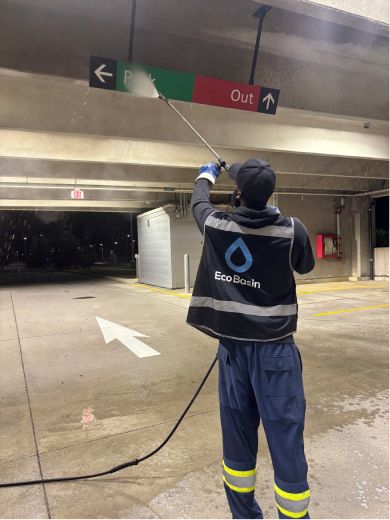
Cleaning a buried storm drain is not a simple DIY job that you can tackle with a garden trowel. It requires specialized, commercial-grade equipment to remove packed mud and heavy debris safely. Professional drainage teams use industrial vacuum trucks equipped with high-powered suction hoses and high-pressure water jets. These powerful tools allow technicians to clear out the entire basin sump within minutes without damaging the concrete walls.
First, the technician removes the heavy steel grate and lowers the vacuum hose into the basin. The truck’s powerful vacuum pulls out all the accumulated mud, rocks, leaves, and trash. Next, the crew uses high-pressure water jets to flush away any remaining silt from the concrete walls. This deep cleaning allows the technician to inspect the mortar joints and concrete rings for any structural cracks. Catching these small cracks early allows you to patch them before they can cause a serious underground washout.
Securing Your Paved Surfaces for the Future
Preventing driveway sinkholes requires an active commitment to your property’s subterranean drainage health. Your catch basin serves as the primary gateway for stormwater management across your entire front yard. When this system is blocked by sand and leaves, water is forced to escape through concrete joints, washing away your supporting soil base. This quiet washout leaves a dangerous, hollow cavern beneath your driveway that can collapse under the weight of a family vehicle.
Furthermore, keeping your drains clear protects your family from the health hazards of standing water and smelly sludge. It stops moisture from saturating your aggregate base, protecting your paved surfaces from winter frost heaves and early cracking. Scheduling a professional vacuum-truck cleanout every spring is a simple, cost-effective task that keeps your drainage system working perfectly. Taking care of your drains preserves your property’s structure, eliminates safety hazards, and ensures your driveway stays flat, straight, and safe for decades.

