
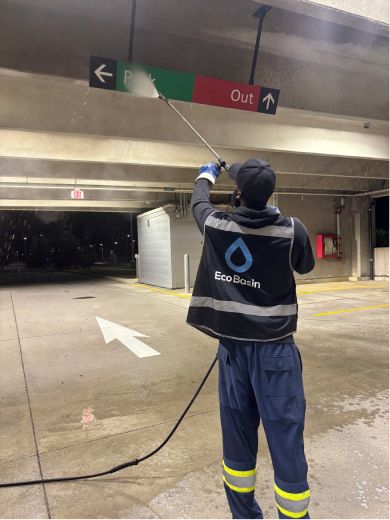
Subterranean water management is crucial for property maintenance. Beneath parking lots, driveways, and roadways lies a network of concrete structures. These components capture surface runoff and direct it into storm sewers. The catch basin sits at the heart of this system. However, ignoring routine maintenance causes these heavy-duty concrete structures to deteriorate from the inside out. This damage leads to sudden pavement failures. Regular catch basin cleaning protects underground infrastructure before hidden deterioration ruins the surface.
Surface water needs a clear, engineered path to escape. This applies to both commercial plazas and private residential properties. A fresh asphalt driveway needs proper grading to prevent water from pooling at the edges. Similarly, commercial parking lots rely on catch basins to manage thousands of liters of rainwater and melting snow. When a catch basin fails, the surrounding pavement loses its underlying support. This failure creates severe liability risks and operational headaches for property owners.
The Quick Edit
- The Primary Cause: Water leaking through damaged mortar joints or cracked adjustment rings washes away surrounding sub-base soil, creating hollow voids beneath the asphalt.
- The Key Warning Signs: Sinking asphalt around the iron grate, visible cracks forming spiderweb patterns, standing water, and crumbling interior concrete rings.
- The Repair Solution: Timely structural repairs—such as rebuilding adjustment rings, re-mortaring joints, and backfilling voids with clean aggregate—prevent total collapse and expensive excavation.
The Anatomy of an Underground Catch Basin
To understand why catch basins collapse, it helps to examine how these structures are constructed beneath the pavement surface. A standard commercial catch basin consists of three main components stacked vertically:
1. The Cast Iron Grate and Frame
Sitting flush with the asphalt surface, the heavy cast iron grate collects rainwater while preventing large debris, branches, and litter from entering the storm sewer system.
2. Concrete Adjustment Rings (The Neck)
Located directly beneath the iron frame, a stack of pre-cast concrete adjustment rings fine-tunes the height of the grate so it sits perfectly level with the surrounding asphalt grade. Mortar holds these rings together.
3. Pre-Cast Concrete Sump Barrel
The main body of the catch basin is a large concrete barrel buried deep in the ground. Water collects inside the barrel, allowing heavy sediment, sand, and grit to settle at the bottom (the sump) while clean water flows out through an upper discharge pipe into the municipal sewer line.
The Chain Reaction: How Catch Basins Collapse
A catch basin collapse rarely happens overnight. Instead, it is the cumulative result of environmental stress, chemical exposure, and water erosion acting on subterranean masonry over several seasons.
The cycle of deterioration follows a predictable, highly destructive path:
Step 1: Joint Degradation and Mortar Failure
Water combined with road salt enters the joints between the top adjustment rings. During sub-zero winter temperatures, trapped water freezes and expands, cracking the mortar holding the rings together. Over time, salt corrosion breaks down the cement matrix, creating open gaps between the concrete rings.
Step 2: Sub-Base Soil Washout
Once gaps form between the adjustment rings, water no longer flows exclusively down into the concrete barrel. Instead, whenever heavy rain falls or snow melts, water escapes through the cracked joints into the surrounding gravel sub-base. As water rushes through these gaps, it washes away the compacted aggregate, sand, and soil supporting the surrounding asphalt.
Step 3: Void Creation and Surface Depression
Soil continues to wash into the catch basin. As a result, a large hollow cavity forms directly beneath the asphalt surface. Lacking solid support, the asphalt sags under its own weight and creates a visible ring-shaped depression around the iron grate.
Step 4: Total Structural Collapse
When a heavy delivery truck, snowplow, or garbage vehicle drives over the hollow asphalt ring, the unsupported pavement shatters. The iron frame tilts or drops into the hole, creating a sudden, dangerous crater that exposes the failing concrete structure below.
Early Warning Signs Property Owners Must Watch For
Spotting catch basin deterioration early saves property managers thousands of dollars in emergency excavation and repaving fees. Performing routine visual inspections across your parking lot or roadway will help you catch structural failures before a total collapse occurs.
Having a well-maintained and well-functioning drainage system relies on catching subtle surface indicators before underground erosion spreads across the parking lot:
- Sinking Asphalt Rings: The pavement immediately surrounding the cast iron frame sits lower than the surrounding parking lot grade, creating a noticeable bump when driven over.
- Spiderweb Cracking (Alligator Cracking): Fine, interconnected cracks forming a web pattern around the perimeter of the drain frame, signalling that sub-base support is eroding.
- Standing Water and Slow Drainage: Water pooling around the drain frame long after a rainstorm ends, often indicating blocked outlet pipes or displaced concrete rings restricting flow.
- Interior Mortar Flaking: Looking down through the iron grate reveals loose bricks, crumbling mortar, or visible soil weeping through the sides of the upper concrete rings.
- Grate Displacement: The cast iron grate appears tilted, loose, or sunken below the surrounding pavement level.
The Role of Debris Accumulation and Blocked Drains
While freeze-thaw cycles damage concrete masonry, unmanaged surface debris accelerates hydraulic pressure inside the catch basin structure. When leaves, trash, sand, and winter grit accumulate inside the sump, water cannot exit efficiently through the discharge pipe.
When debris accumulation leads to blocked storm drains in commercial properties, the water level inside the basin rises past the lower sump and floods the upper adjustment rings. This forces pressurized water out through fragile ring joints, rapidly eroding surrounding soil.
Regular vacuum truck servicing removes accumulated sediment from the bottom barrel before water levels back up, highlighting the need for professional catch basin cleaning as a vital preventative measure for commercial facilities.
Safety Risks and Commercial Property Liabilities
Ignoring a deteriorating catch basin creates severe financial and legal liabilities for commercial property owners. A collapsing catch basin is not merely a cosmetic flaw; it is a major safety hazard.
When subterranean erosion goes unchecked, it eventually creates dangerous pavement sinkholes in high-traffic driving lanes or pedestrian walkways. These sudden pavement drops can tear off vehicle bumpers, destroy suspension systems, cause severe trip-and-fall injuries for pedestrians, and block access for delivery vehicles.
Furthermore, local municipal bylaws often mandate that commercial property owners maintain their private storm sewer infrastructure in working order. Failing to address a collapsing catch basin can lead to municipal code violations, water compliance fines, and costly third-party insurance claims.
How Professionals Repair a Collapsing Catch Basin
When caught early, a failing catch basin does not always require complete, expensive replacement down to the deep subgrade. Specialized paving and drainage contractors utilize targeted structural repair methods to rebuild the upper masonry stack.
1. Saw-Cutting and Asphalt Excavation
Contractors saw-cut a clean square perimeter around the damaged asphalt, usually two to three feet back from the iron frame. They then excavate the ruined pavement to expose the concrete adjustment rings.
2. Ring Removal and Rebuilding
Workers remove the damaged cast iron grate, tear out cracked, crumbling concrete rings, and clean the top of the pre-cast barrel. New, high-strength concrete adjustment rings are installed using specialized, frost-resistant mortar mixes to seal all ring joints completely.
3. Void Backfilling and Aggregate Compaction
To fix the subterranean hollows caused by water erosion, technicians pump specialized concrete slurry or pack dense crushed stone into the excavated space around the outside of the rings, compacting it in layers to rebuild a solid foundation.
4. Pavement Re-instatement and Edge Sealing
Finally, workers apply a tack coat adhesive, pour hot-mix asphalt in compacted lifts, and level the new surface so it matches the surrounding parking lot grade. A hot rubberized joint sealer is applied along the cut asphalt seam to prevent future water infiltration.
Proactive Maintenance Schedule for Long-Term Protection
Protecting your drainage infrastructure requires a disciplined seasonal maintenance strategy:
- Bi-Annual Visual Audits: Inspect all catch basin grates in early spring (after winter snowmelt) and late autumn (after leaf fall) for signs of asphalt settlement or joint cracking.
- Annual Vacuum Truck Cleaning: Schedule professional vactor truck service at least once a year to clear accumulated grit, gravel, and organic debris from sump barrels.
- Immediate Asphalt Joint Sealing: Fill minor surface cracks around drain frames with hot rubberized sealant as soon as they appear to keep water away from subterranean masonry.
Early Intervention Saves Thousands
A catch basin collapse is a preventable structural failure. Property managers can take action long before asphalt caves in by understanding how freeze-thaw cycles break down mortar joints and how water erosion hollows out sub-base soil. Investing in routine cleaning, performing seasonal visual inspections, and repairing cracked adjustment rings preserves parking lot surfaces. These proactive steps eliminate safety liabilities and extend the lifespan of your property’s drainage infrastructure.

