
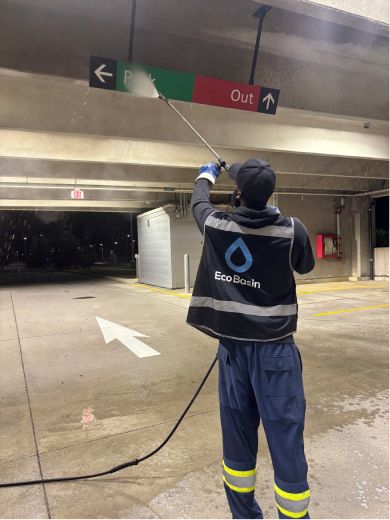
Managing a commercial property, industrial compound, or multi-unit residential complex involves keeping a close eye on hidden infrastructure systems. While roof lines and HVAC units receive seasonal checkups, the subterranean drainage systems beneath your feet are often completely ignored. It is only during heavy spring rainstorms or rapid winter snowmelts that property managers suddenly notice massive, deep puddles forming across their parking structures. Scheduling professional catch basin cleaning before these major weather events strike is the single most effective way to keep your stormwater management lines flowing smoothly.
Many property owners view slow-draining surface water as a minor inconvenience that will eventually correct itself on its own. They treat subterranean masonry structures with passive neglect, assuming gravity will always pull wastewater away into the municipal mains without help. However, just as an experienced real estate agent knows that an unmaintained building envelope completely destroys a property’s market value, a civil engineer understands that a neglected drainage framework invites immediate disaster. Recognizing the mechanical and structural vulnerabilities beneath your iron grates is essential for protecting your pavement investment from expensive foundation washouts.
The Quick Edit
- The Grate Choke: Wind-blown plastic waste, landscape mulch, and heavy autumn leaves form an interlocking mat across the iron grate slots, cutting off water intake.
- The Sump Overfill: When the lower concrete barrel fills completely with heavy road sand and vehicular mud, it chokes off the horizontal outlet pipe.
- The Vacuum Cure: Standard manual shovels cannot reach down deep enough to clear the heavy sub-surface silt layers, requiring high-powered industrial hydro-vac flushing.
Mechanical Blockages: The Surface Layer Grate Choke
The most common reason for a sudden drop in your drainage velocity is a simple mechanical blockage at the surface level. Your catch basin sits at the lowest point of your asphalt layout, meaning gravity naturally carries all loose surface trash straight toward the iron grate. When heavy rains sweep across your property, this loose material is pushed directly against the metal bars.
Plastic shopping bags, discarded coffee cups, landscape bark, and matted autumn leaves quickly form a tight, water-resistant seal over the intake openings. This surface obstruction prevents rushing rainwater from dropping down into the underground collection system, causing immediate pooling across your driving lanes. Regularly sweeping your parking lot and cleaning off these grates is an easy way to prevent property flooding during heavy summer storms.
The Subsurface Silt Sump Trap: Heavy Mud and Traffic Grit
When surface water passes through the iron grate slots safely, it carries a massive amount of hidden sediment down with it. To prevent this heavy mud from instantly plugging your municipal sewer mains, catch basins are engineered with a deep collection chamber called a sump. This interior chamber sits directly below the horizontal exit pipe, functioning as a highly effective subterranean trap for heavy debris.
As rushing storm water enters the wide concrete barrel, its movement velocity drops immediately. This sudden pause allows heavy sand, vehicle grit, gravel, and winter road salt sediment to sink naturally to the bottom of the chamber, while clean water drains out through the higher outlet pipe. This design works perfectly until the accumulated mud layer reaches the mouth of the exit line.
Once the sub-surface sediment crosses this critical line, it completely chokes off your drainage path. The water has nowhere to go, causing the entire concrete structure to fill up to the surface level. Recognizing when your catch basin is about to overflow allows you to book an industrial vacuum service before your parking structure turns into an impassable lake.
The Hidden Blockage: Blinded Pipe Outlets and Structural Pipe Sagging
Your surface grates might be completely clear. Your interior sump may also be free of sediment. If so, your drainage issues likely stem from deep, hidden pipe failures downstream. Over decades of service, heavy commercial truck traffic places immense pressure on your parking lot’s underground utility lines. This continuous weight can cause the buried PVC or concrete drainage pipes to shift. They can also crack or sag out of alignment.
When an underground pipe sags, it creates a permanent low point. This low point collects standing water and fine mud particles. Over time, it forms a frustrating subterranean bottleneck. Furthermore, tiny tree roots can force their way through small pipe joints. They do this to reach the nutrient-rich water flowing inside. These roots multiply quickly within the pipe cavity. They create a thick underground web that catches grease, wet wipes, and organic trash. Eventually, this accumulation completely blocks your drainage flow.
Diagnosing these deep, subterranean system failures requires specialized diagnostic equipment. Professional drainage contractors use waterproof sewer cameras attached to long fibre-optic lines. This equipment allows them to explore the inside of your pipes. This approach helps them pinpoint the exact location of structural cracks, collapsed lines, or heavy root intrusions. Best of all, they find these flaws without tearing up your expensive parking lot asphalt.
The Freeze-Thaw Variable: Winter Frost and Ice Dams
In cold climates, seasonal temperature drops add another layer of complexity to slow-draining systems. During winter, sub-zero temperatures cause the ground around your catch basin to freeze solid. When daytime temperatures rise slightly, melting snow rushes toward the drain, but the subterranean concrete structure often remains frozen like an ice block.
This temperature conflict creates thick ice dams directly inside the upper rim or right at the mouth of the outlet pipe. As the incoming meltwater meets this solid barrier, it stops flowing entirely. This causes immediate surface pooling that quickly refreezes into a dangerous sheet of black ice as the sun goes down.
Furthermore, standing water that gets trapped inside structural concrete cracks will expand as it turns to ice. This expansion exerts thousands of pounds of pressure against the masonry walls, causing the concrete rings to split, heave, and crumble from the inside out. Clearing out debris before the first winter freeze hits prevents water from getting trapped in these tight spaces, protecting your masonry from cracking under severe frost pressure.
The Hydro-Vac Solution: Restoring Full Commercial Drainage Velocity
Many property managers attempt to fix slow-draining catch basins by sending a maintenance worker out with a long shovel to scoop out the top layer of mud. While this manual cleaning might provide a temporary fix, it completely fails to clean out the deep sediment packed into the bottom of the concrete barrel. Manual tools cannot clear out the heavy silt layers that are blocking the main outlet pipes.
Restoring your drainage system’s full velocity requires the raw power of industrial hydro-vacuum trucks. This professional process combines high-pressure water blasting with massive vacuum suction to clear your lines safely. The technician inserts a heavy-duty hose down into the basin, using high-pressure water jets to break up packed mud and slice through stubborn root blockages.
Simultaneously, the truck’s high-powered vacuum pump extracts the loosened sludge, sand, and trash directly up into a secure holding tank for safe off-site disposal. This comprehensive cleaning restores the catch basin to its original structural depth. Committing to regular catch basin cleaning to protect your property ensures your infrastructure handles intense storm patterns without backing up.
The Property Manager’s Semi-Annual Stormwater Infrastructure Grid
Understanding the exact types of debris that threaten your system helps you build an effective seasonal maintenance routine:
| Drainage Blockage Material | Primary Source on Property | Specific Impact on Drainage Velocity | Recommended Maintenance Action |
| Organic Leaf Litter | Nearby trees and blown landscaping. | Mats across iron grates; blocks initial water intake. | Weekly lot sweeping during autumn months. |
| Winter Road Grit | Sand and salt dropped by plow trucks. | Settles into the sump; blocks the main exit pipe. | Deep hydro-vac extraction every spring. |
| Petroleum Sludge | Oil and grease leaks from parked cars. | Coats internal pipes; catches fine dust particles. | High-pressure hot water line flushing. |
| Construction Silt | Nearby excavation and open dirt lots. | Fills the lower chamber quickly; hardens like cement. | Install protective fabric filters under grates. |
Protecting Your Commercial Asphalt Envelope
Ignoring a slow-draining catch basin is a costly mistake. It directly threatens your property’s primary asphalt foundation. When stormwater backs up out of your storm drains, it seeps deep into the ground. It floods the underlying gravel base layers that support your heavy parking lot pavement. This water saturation quickly softens the foundation material. Over time, it leads to rapid asphalt cracking, deep potholes, and expensive structural sinkholes.
The dangers of stagnant water go far beyond basic visual problems. It permanently ruins your asset’s structural value. It also creates expensive slip-and-fall legal liabilities during colder months. Investing in professional, preventative drainage maintenance is a smart business move. It protects your infrastructure investments, ensures visitor safety, and keeps your property operating smoothly through any storm.

