
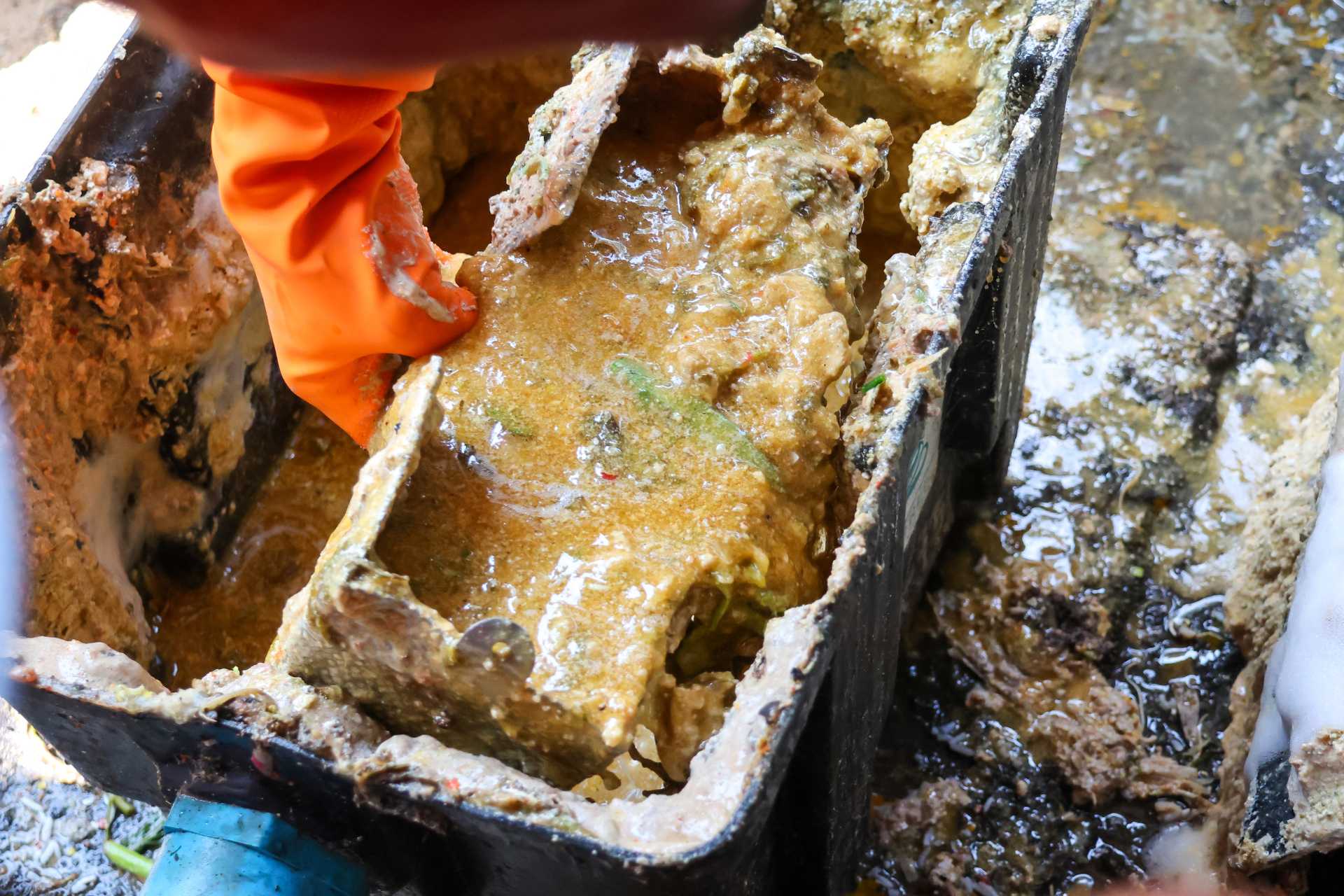
Property flooding rarely starts with dramatic weather events alone. In most cases, it begins when drainage systems fail quietly under normal conditions. One of the most overlooked contributors to water damage is neglected catch basin cleaning, which allows debris, sediment, and runoff to accumulate until water has nowhere to go. When drainage slows or stops, even moderate rainfall or snowmelt can overwhelm a property.
Flood risk also extends beyond day-to-day maintenance concerns and into property value and liability. Issues discovered during inspections can complicate transactions, sometimes prompting questions from a real estate agent about drainage history and site conditions. Simply put, regular catch basin cleaning is important to protect your property, prevent water buildup, and reduce long-term damage. Beyond protection, a well-maintained catch basin can boost the value of your home by demonstrating responsible upkeep and reducing future risk for owners or buyers alike.
What Catch Basins Do and Why They Matter
Catch basins are a critical part of a property’s stormwater management system, designed to collect surface water and redirect it safely away from buildings and paved areas. Positioned at low points around driveways, parking areas, or landscaped sections, they capture rainwater, snowmelt, and runoff before it can pool near foundations. Inside the basin, debris settles while water flows out through connected drainage pipes, keeping the system moving efficiently.
When functioning properly, catch basins reduce the volume of water sitting against structures and hard surfaces. This role becomes especially important in climates with heavy rainfall and seasonal snowmelt, where excess water can quickly overwhelm soil and drainage capacity. Without effective catch basin performance, water pressure builds up in places it should not, increasing the likelihood of flooding and long-term structural stress.
How Catch Basins Prevent Flooding
Catch basins prevent flooding by giving surface water a controlled path away from vulnerable areas of a property. During heavy rain or rapid snowmelt, water naturally seeks the lowest point. A properly functioning catch basin intercepts that flow, capturing runoff before it can spread across pavement or collect near foundations. By directing water into underground drainage systems, catch basins reduce surface saturation and limit the chance of pooling that leads to flooding.
This controlled drainage is especially important during seasonal transitions. As temperatures fluctuate, catch basins help manage freeze-thaw damage by preventing water from lingering and refreezing in problem areas. When water is allowed to drain efficiently, it reduces pressure on pavement, soil, and foundation walls, lowering the risk of cracks, shifting, and water intrusion that often follow repeated freeze–thaw cycles.
How Blocked Catch Basins Lead to Property Flooding
Blocked catch basins fail gradually, which is why the resulting flooding often feels sudden and unexpected. Leaves, dirt, gravel, and debris accumulate over time, restricting the basin’s ability to move water efficiently. When rainfall or snowmelt exceeds that reduced capacity, water has no outlet and begins to back up onto surrounding surfaces.
Once overflow starts, water naturally migrates toward foundations, door thresholds, and low-lying areas. This can lead to basement seepage, surface flooding, and erosion around the property. What begins as a clogged basin quickly turns into widespread drainage failure, proving why routine maintenance is not optional but essential for flood prevention.
The Role of Catch Basin Cleaning in Managing Hydrostatic Pressure
Hydrostatic pressure builds when excess water accumulates in the soil around a structure and actively pushes against foundation walls. Blocked or neglected catch basins prevent surface water from draining as intended, allowing moisture to saturate the ground near the property. As the soil becomes waterlogged, pressure intensifies, driving moisture toward basement walls, cracks, and joints that were never designed to withstand constant exposure.
Regular maintenance directly controls this pressure by keeping drainage pathways clear and functional. When water flows away efficiently, it never has the chance to build up and stress the foundation. Regular catch basin cleaning minimizes the hidden forces that cause leaks, foundation shifting, and long-term structural damage.
Flood Risks to Foundations, Basements, and Pavement
When water is not properly managed, the first areas to suffer are often foundations and basements. Excess moisture surrounding foundation walls increases the likelihood of cracks, seepage, and long-term deterioration. Over time, repeated exposure weakens concrete and masonry, allowing water to find its way indoors and create conditions for mould growth and interior damage.
Surface infrastructure is equally vulnerable. Standing water accelerates the breakdown of asphalt and concrete, leading to cracking, shifting, and premature failure. Pavement damage is not just a cosmetic issue—it affects grading and drainage patterns, often making future flooding more likely. Effective catch basin maintenance protects both structural elements and surrounding surfaces from escalating repair costs.
Why Flooding Often Happens Without Warning
Flooding linked to drainage failure rarely comes with obvious early warnings. Catch basins are designed to work quietly in the background, so problems develop out of sight as debris builds up below the surface. From above, everything may appear normal until a heavy rain or rapid snowmelt event suddenly overwhelms the system.
Another reason flooding feels unexpected is that water takes the path of least resistance. Once drainage slows, water can surface far from the actual blockage, making the source difficult to identify. By the time pooling or seepage becomes visible, damage may already be underway. This delayed visibility is why proactive maintenance is far more effective than reactive repairs.
How Often Should Catch Basins Be Cleaned
There is no one-size-fits-all schedule for catch basin maintenance, but frequency should reflect exposure and usage. Properties surrounded by trees, construction activity, or heavy traffic typically accumulate debris faster and require more frequent attention. Seasonal shifts also matter, with fall leaf drop and spring snowmelt placing extra demand on drainage systems.
For most residential properties, annual or biannual service is a baseline, while commercial sites often need quarterly checks. The goal is to service the basin before capacity is reduced, not after flooding occurs. Proactive scheduling keeps drainage predictable and prevents emergencies during peak runoff periods.
Why DIY Cleaning Is Often Not Enough
Surface-level cleaning can remove visible debris, but it rarely addresses the deeper buildup that causes blockages. Sediment settles at the bottom of the basin, forming compacted layers that restrict flow even when the grate looks clear. Without proper equipment, this material remains in place and continues to interfere with drainage.
Safety is another concern. Catch basins are confined spaces with uneven surfaces and potential water hazards. Professional service ensures thorough removal while avoiding injury and incomplete results. Relying solely on DIY efforts often gives a false sense of security while underlying issues persist.
How Professional Catch Basin Cleaning Prevents Costly Damage
Professional cleaning removes debris, sediment, and obstructions throughout the entire basin, restoring full drainage capacity. Technicians also inspect for structural issues such as cracks, collapsed pipes, or misaligned connections that can compromise performance. Identifying these problems early prevents small defects from turning into major failures.
Beyond immediate protection, professional maintenance supports long-term property value. Drainage systems that function reliably reduce flood risk, protect foundations, and improve site performance. This is why a well-maintained catch basin can boost the value of your home, reassuring future owners that water management has been properly addressed.
Catch Basin Cleaning Is Flood Prevention
Flooding rarely happens by accident. It is usually the result of gradual neglect within drainage systems that were designed to protect the property. Catch basins play a central role in controlling surface water, reducing hydrostatic pressure, and preventing damage to foundations and pavement.
Consistent maintenance transforms catch basin cleaning from a reactive task into a preventive strategy. By keeping systems clear and functional, property owners reduce risk, protect structural integrity, and maintain long-term value. When drainage is treated as a priority, flooding becomes far less likely.

