
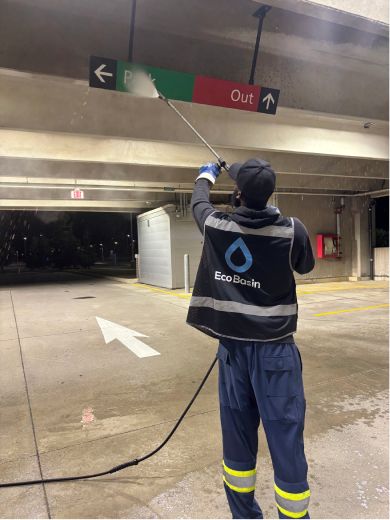
Autumn in Canada brings dramatic weather shifts. Crisp, sunny afternoons quickly turn into intense, prolonged rainstorms. Atmospheric rivers and severe low-pressure systems sweep across the provinces. During these storms, residential hardscaping and drainage networks face their toughest test of the year.
Many homeowners invest heavily in visible property upgrades. They might complete an exterior window replacement project to keep living spaces warm and draft-free. However, subterranean drainage systems often remain overlooked until a major deluge arrives. Scheduling professional catch basin cleaning before severe weather hits is crucial. It is the single most effective way to ensure stormwater drains safely away from your home.
A residential catch basin acts as the primary defence against surface flooding. It collects massive volumes of stormwater runoff from driveways, patios, and surrounding lawns. When functioning correctly, it traps heavy sediment and debris. At the same time, it directs clean water into municipal storm sewers or subsurface dry wells.
However, problems arise when autumn storms dump torrential rains onto a neglected drainage grate. The system quickly becomes overwhelmed. Understanding how catch basins operate during severe downpours is essential. It helps Canadian homeowners protect their property from severe water damage, soil erosion, and costly foundation repairs.
The Quick Edit
- Drainage Mechanics: Catch basin sumps trap heavy sediment while routing stormwater safely away from home foundation walls.
- Early Warning Signs: Sluggish evacuation, persistent driveway puddles, and gurgling noises indicate an impending overflow.
- Preventative Maintenance: Routine grate clearing, sump sediment removal, and periodic hydro-jetting protect basements and driveways from heavy rain damage.
The Mechanics of Stormwater Runoff During Canadian Autumn Deluges
To understand why catch basin prep matters during heavy rainfall, one must examine how water moves across a residential property. Asphalt driveways, concrete walkways, and rooflines are impermeable surfaces. During a heavy downpour, hundreds of gallons of water wash across these surfaces every hour, picking up loose dirt, gravel, twigs, and lawn debris along the way.
The catch basin is strategically installed at the lowest elevation point of your driveway or yard to intercept this rapid surface flow. It consists of three primary components:
- The Top Grate: A heavy-duty cast iron or steel grate that filters out large objects like branches and stones while allowing water to drop into the basin.
- The Sump Barrel: A deep concrete or plastic reservoir situated below the outlet pipe. As water enters, gravity forces heavy sand, gravel, and sediment to settle at the bottom of the barrel.
- The Outlet Pipe: Positioned near the top of the sump barrel, this pipe carries cleared water away to municipal storm mains, retention ponds, or specialized sub-surface soakaway pits.
When torrential rain falls continuously over several hours, this process must operate continuously without interruption. If the sump barrel fills with compacted sediment or the top grate becomes choked with debris, the entire mechanism fails, forcing stormwater to pool across surrounding surfaces.
Recognizing the Early Warning Signs of Drainage Failure
Most catch basin failures do not happen instantly; they develop gradually over several seasons of accumulated sediment buildup. Identifying warning signs early allows you to address drainage issues before a severe autumn storm causes catastrophic property flooding.
Knowing when your catch basin is about to overflow helps you take swift action before water enters your home:
- Sluggish Water Evacuation: During moderate rainfall, water lingers around the perimeter of the metal grate rather than dropping instantly into the sump barrel.
- Persistent Standing Puddles: Low spots on your driveway or yard retain standing water hours after a rainstorm has passed, indicating that the outlet pipe is partially blocked.
- Gurgling or Bubbling Noises: Air bubbles escaping up through the catch basin grate signal that trapped air is fighting against standing water inside a choked drain line.
- Foul Organic Odours: A damp, swampy smell emanating from the grate indicates that trapped organic matter is decomposing inside a stagnant sump barrel.
Ignoring these subtle warnings leaves your property vulnerable. When the next heavy downpour arrives, a partially blocked catch basin will fail completely, sending water flooding toward garage doors and low-lying basement windows.
Hydrostatic Pressure, Soil Saturation, and Foundation Risks
When a catch basin overflows during heavy rainfall, the excess water must go somewhere. On most residential lots, spilled water follows the path of least resistance, pooling along driveway edges, saturating garden beds, and flowing directly toward foundation walls.
Excess water accumulating around a home creates immense hydrostatic pressure against concrete foundation walls. Soil saturated with rainwater expands dramatically, exerting thousands of pounds of lateral force against basement walls. Over time, this pressure forces water through microscopic hairline cracks in concrete, resulting in wet basement floors, ruined interior drywall, and dangerous mould growth.
Furthermore, water pooling beneath asphalt driveways weakens the compacted aggregate gravel base. As water saturates the underlying sub-grade soil, it washes away fine gravel particles, creating hollow voids. When heavy vehicles drive over these unsupported asphalt sections, the driveway sags, cracks, and eventually collapses into deep potholes or structural sinkholes.
Essential Fall Inspection and Preparation Protocols
Preparing your drainage system for heavy autumn downpours requires a systematic approach to cleaning and inspection. Taking time to complete basic pre-storm maintenance ensures your catch basin handles maximum water volumes throughout the rainy season.
Demonstrating that regular catch basin cleaning is important to protect your property ensures long-term structural health and preserves your home’s equity. Homeowners should execute four key maintenance steps every fall:
- Clear Surface Grate Obstructions: Use a stiff-bristled outdoor broom or rake to clear leaves, twigs, and trash away from the top grate, ensuring an unobstructed path for incoming surface runoff.
- Inspect Sump Barrel Depth: Remove the metal grate using a pry bar or heavy gloved hands. Measure the distance between the top of the accumulated sediment at the bottom of the barrel and the lower edge of the outlet pipe. If sediment sits within six inches of the outlet pipe, the sump must be cleaned out.
- Flush the Outlet Line: Insert a high-pressure garden hose equipped with a drain-flushing nozzle into the outlet pipe to clear minor sand or silt accumulations.
- Inspect Surrounding Asphalt and Concrete: Check the joint seals between the metal grate frame and the surrounding asphalt. Seal any open cracks with cold-pour asphalt filler to prevent water from eroding the outer edges of the catch basin structure.
Taking these proactive measures ensures that when a major storm front arrives, your drainage system operates at peak capacity.
The Hidden Threat of Autumn Debris and Organic Sludge
Heavy rainfall is rarely the only challenge catch basins face during autumn. As trees shed their canopy, falling leaves, twigs, and pine needles carpet lawns and driveways. When heavy rain washes across these surfaces, it pushes massive volumes of organic debris straight toward your drainage grate.
A catch basin grate that becomes filled with uncollected autumn leaves creates a waterproof mat over the opening. As leaves flatten against the metal bars under the weight of rushing water, they form an impenetrable barrier that prevents rainwater from entering the sump barrel entirely.
Inside the barrel, submerged leaves decay quickly, turning into a thick, black organic sludge. This sludge floats near the top of the water column, where it easily washes into the outlet pipe, causing deep, stubborn clogs inside underground drainage lines that standard garden hoses cannot clear.
Knowing When to Call Professional Hydro-Jetting Services
While homeowners can easily sweep surface grates and clear minor debris, deep maintenance requires specialized equipment. If your catch basin sump barrel is packed with heavy clay, dense gravel, or thick organic sludge, hiring a professional drainage contractor is essential.
Professional catch basin maintenance teams utilize high-power vacuum trucks and industrial hydro-jetting equipment:
- Vacuum Truck Extraction: Industrial vacuum hoses extract hundreds of gallons of water, compacted mud, and heavy debris from the bottom of the sump barrel in minutes, restoring full storage volume.
- High-Pressure Hydro-Jetting: Technicians insert self-propelling hydro-jet nozzles into the outlet pipes, utilizing water pressure exceeding 3,000 PSI to blast through solid tree root intrusions, packed leaves, and mineral scale.
- CCTV Camera Inspections: High-definition fibre-optic cameras are passed through underground lines to inspect pipe joints for offset connections, cracks, or structural collapses.
Investing in professional hydro-jetting every two to three years guarantees that your sub-surface drainage lines remain completely open and clear, providing total peace of mind during severe weather events.
The Financial Advantage of Proactive Drainage Maintenance
The cost of routine catch basin maintenance is insignificant compared to flood restoration. Repairing a flooded basement easily costs tens of thousands of dollars. Replacing ruined mechanical equipment and rebuilding damaged asphalt driveways add to that burden.
Consistently proving that a clean catch basin can prevent property flooding protects your financial investment. It also helps keep insurance premiums low. Insurance providers scrutinize water damage claims more than ever. They often deny coverage if flooding stems from neglected property maintenance or clogged private drainage systems.
Maintaining clean, functional catch basins demonstrates responsible property stewardship. It safeguards your home against unexpected storm damage. Ultimately, it preserves high curb appeal for future resale.
Prepare Before the Downpour Begins
Heavy autumn rainfall tests the limits of every residential drainage system in Canada. Homeowners must inspect catch basin barrels and clear surface grates regularly. Removing organic sludge and scheduling professional hydro-jetting services when needed are also essential steps. These proactive measures allow you to manage severe stormwater runoff effectively. Taking action today protects your driveway, yard, and basement from heavy rainfall, ensuring your home remains safe and dry all season long.

