
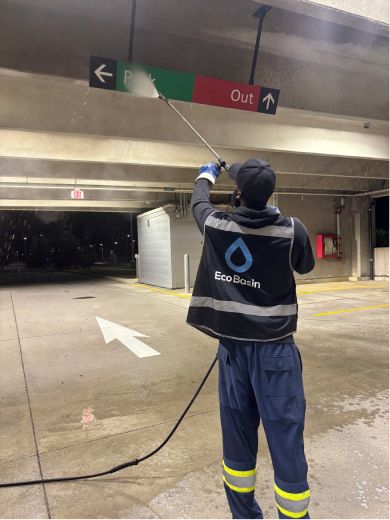
Flooding rarely happens without warning. In many cases, visible surface water is the final stage of a problem that has been developing for months. Property owners often delay catch basin cleaning until standing water becomes obvious, but early signs are usually present well before that point. Just as homeowners plan upgrades like window replacement to avoid long-term structural issues, drainage systems require proactive attention to function properly. Recognizing early warning indicators can help prevent flooding in the property before serious damage occurs.
Overflow conditions tend to build gradually. Sediment accumulates, debris restricts flow, and runoff volume increases during heavy rain or seasonal transitions. When drainage capacity declines, even moderate precipitation can overwhelm the system. Addressing warning signs early reduces repair costs and minimizes liability risks. Understanding these signals helps property owners respond before overflow becomes unavoidable.
Slow Drainage After Rain or Snowmelt
One of the earliest warning signs of trouble is water that lingers longer than usual after rainfall or melting snow. When drainage systems function properly, surface water should move steadily toward the basin and disappear within a short period. If runoff remains pooled around the grate or drains slowly, internal capacity may already be reduced. This slowdown often indicates sediment accumulation or debris obstruction below the surface. Early action at this stage can restore flow before the system becomes overwhelmed.
The issue becomes more noticeable during the spring thaw, when rapid snowmelt increases runoff volume significantly. If the basin struggles to handle moderate water flow during this period, it may be close to full capacity. What appears to be minor pooling can quickly escalate during heavy rain events. Monitoring drainage speed after precipitation provides valuable insight into system performance. Addressing slow drainage early helps avoid more serious overflow conditions.
Standing Water Around the Grate
Persistent standing water near a catch basin grate is a clear warning sign that capacity is compromised. When water pools around the drain instead of entering freely, sediment buildup may be restricting internal flow. Even a partially blocked basin can reduce drainage efficiency significantly. This pooling increases surface pressure on the surrounding pavement and concrete. Left unaddressed, the condition can quickly worsen during heavy rainfall.
As water continues to collect, overflow becomes more likely. Prolonged pooling may weaken asphalt and contribute to surface deterioration over time. In colder climates, trapped water that refreezes can expand and cause cracking. Early removal of sediment and debris restores proper flow and reduces stress on surrounding infrastructure. Identifying pooling early helps prevent more extensive surface damage.
Unpleasant Odours or Visible Debris
Another warning sign of impending overflow is the presence of strong or unusual odours near the basin. Organic debris such as leaves, dirt, and litter can accumulate over time and begin to decompose. As this material breaks down, it produces unpleasant smells that signal internal buildup. Visible trash or sediment near the grate often indicates that the basin is nearing capacity. When debris is allowed to collect at the surface, internal flow becomes increasingly restricted.
Over time, this accumulation reduces the basin’s ability to handle runoff efficiently. Sediment forms dense layers at the bottom of the structure, leaving less space for incoming water. As capacity declines, the risk of overflow rises during periods of heavy rain. In commercial areas, neglected drainage systems can also pose environmental concerns. Early debris removal prevents blockages from escalating into structural or surface damage.
Recurring Surface Flooding
Recurring surface flooding is a strong indication that the basin is no longer functioning at full capacity. If water regularly backs up during moderate rainfall, the internal chamber may already be filled with sediment. Overflow that occurs during routine storms suggests the system cannot handle normal runoff levels. Over time, this repeated strain weakens the surrounding pavement and curbs. What starts as temporary pooling can become a recurring infrastructure problem.
When drainage fails repeatedly, structural risks increase. Persistent saturation near foundations can create long-term moisture issues. In some cases, neglected catch basins can damage driveways by allowing water to erode base materials beneath the surface. Repeated freeze–thaw cycles further accelerate deterioration in Canadian climates. Identifying recurring flooding early allows property owners to restore system capacity before more costly repairs become necessary.
Structural Warning Signs Nearby
Drainage problems often reveal themselves through nearby structural changes. Cracks forming in the pavement around the basin may indicate repeated water saturation beneath the surface. Erosion along curbs or landscaped edges can signal uncontrolled runoff patterns. Foundation dampness or basement moisture may also point to compromised drainage capacity. When water is not directed away efficiently, structural stress increases.
Over time, compromised drainage can affect more than surface materials. Persistent water pressure near exterior walls may lead to foundation deterioration. Proper upkeep ensures that catch basin maintenance protects your home’s foundation from hydrostatic pressure and moisture intrusion. In colder climates, trapped water that refreezes expands and widens cracks. Monitoring structural changes near drainage systems provides valuable insight into developing overflow risks.
Why Waiting Makes the Problem Worse
Delaying service allows sediment and debris to continue accumulating inside the basin. As the buildup increases, available storage capacity decreases and overflow becomes more likely. What begins as slow drainage can escalate into surface flooding during the next major rainfall. The longer maintenance is postponed, the more difficult and costly remediation may become. Preventative action is far less disruptive than emergency repair.
Overflow conditions can also create liability concerns for property owners. Standing water increases slip hazards for pedestrians and vehicles. Prolonged saturation weakens asphalt, curbs, and surrounding infrastructure. Environmental contaminants may bypass the system when capacity is reduced. Proactive maintenance helps avoid these escalating risks and ensures the drainage system performs as intended.
Recognize the Warning Signs Before Overflow Happens
Overflow rarely occurs without early indicators. Slow drainage, persistent pooling, visible debris, and structural changes all signal declining system capacity. Addressing these signs promptly helps restore performance and reduce long-term repair costs. Regular inspection and maintenance keep drainage systems ready for heavy rain and seasonal transitions. Recognizing warning signs early ensures the property remains protected year-round.

