
As the first major freeze arrives, property owners often notice the earliest signs of trouble when water begins pooling around driveways and walkways, a realization that typically occurs just as the household prepares for heavy snow accumulation. Interestingly, many residents contact a roofing company during this time to address ice dams or snowmelt issues on the roof, only to find that the water coming off the eaves has nowhere to go once it hits the frozen ground. This creates a critical bottleneck at the catch basin, which serves as the primary exit point for all surface runoff. If the basin is obstructed, the infrastructure designed to protect the property from flooding effectively becomes a significant liability.
Investing in professional catch basin cleaning before the deep freeze ensures that the system is ready to handle the unique stresses of the Canadian winter, where a mixture of slush, road salt, and compacted debris can rapidly escalate drainage issues during sudden temperature fluctuations.
The Anatomy of a Blockage: Snow, Ice, and Debris
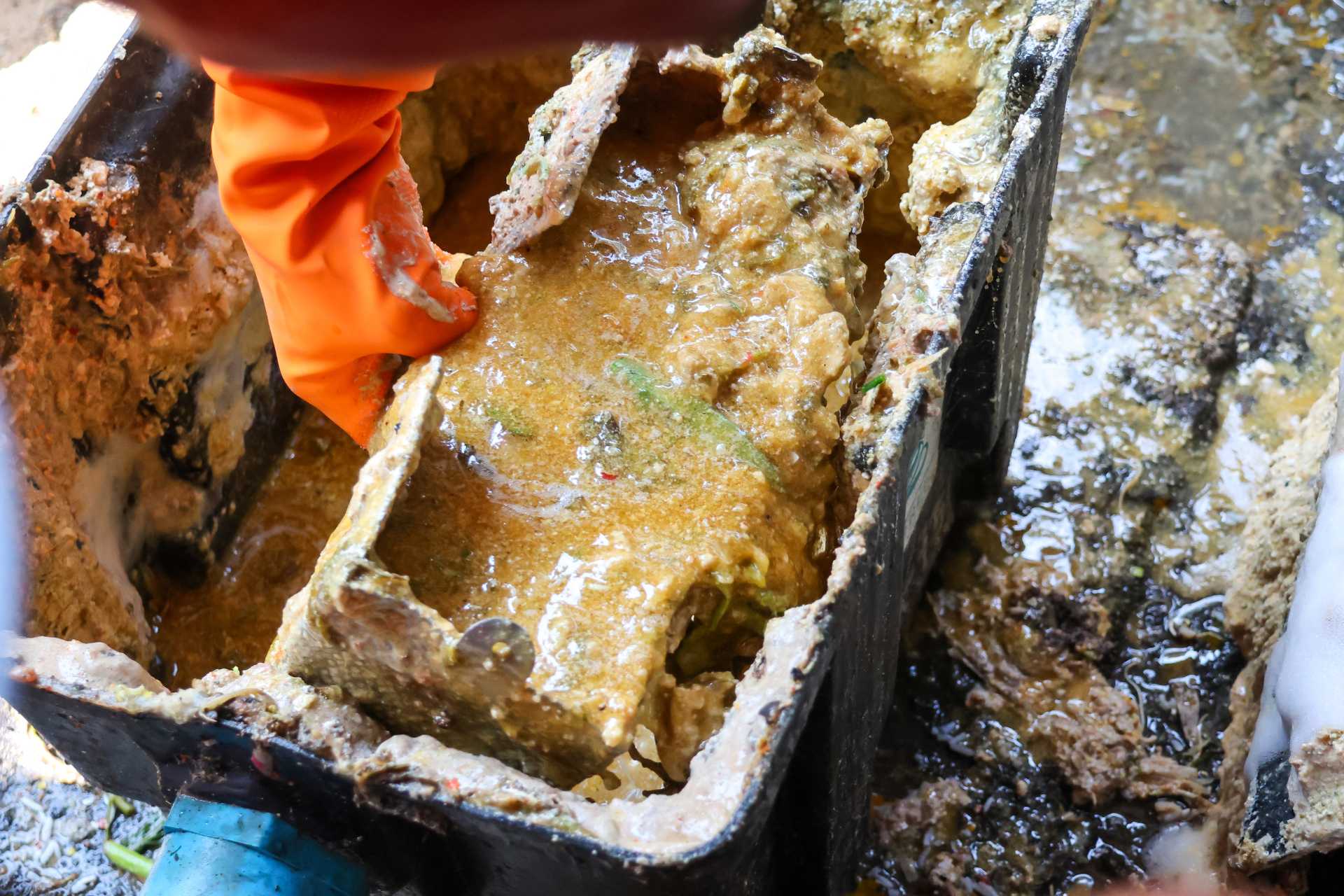
A catch basin blockage rarely starts with the first snowfall; instead, it is often the result of neglected maintenance from the previous season. During the autumn, leaves, organic matter, and grit from the road settle into the sump—the area at the bottom of the basin designed to trap solids before they enter the outflow pipe. If this sump is already full, there is no room for the additional sediment that comes with winter road treatment. Consequently, even a small amount of new debris can cause the system to back up. This is why experts recommend that property owners make sure to clean their catch basin in the fall to maximize the unit’s holding capacity before the ground freezes.
Once the snow arrives, the physics of the blockage changes. Heavy snow piles over the metal grate act as a giant filter, trapping fine debris and road salt. This creates a dense, icy plug that prevents water from entering the drain entirely. As the weight of the snow compresses this mixture, it forms a barrier that is nearly impossible for surface meltwater to penetrate. This compaction is the primary reason why drainage problems escalate so quickly during a mid-winter warm spell. Without a clear path into the basin, the water has no choice but to accumulate on the surface, leading to localized flooding and hazardous conditions.
The Freeze-Thaw Rollercoaster: Why Problems Escalate Fast
The Canadian January Thaw is a classic example of how quickly drainage issues can turn into a crisis. When temperatures rise above freezing for a few hours, a massive volume of water is released from snowbanks and rooftops. If a catch basin is restricted by ice or debris, it cannot process this sudden influx. Because catch basins manage snowmelt, their operational health is the only thing standing between a dry driveway and a flooded garage. The water that cannot drain quickly enough lingers on the surface, and as soon as the sun sets and temperatures drop, it refreezes into a thick, glass-like sheet of ice.
This cycle of melting and refreezing is more than just a slipping hazard; it is a mechanical force that actively destroys the basin structure. When water is trapped inside the concrete rings or the mortar joints of a catch basin and then freezes, it expands with incredible force. This expansion causes the structure to heave or crack, leading to significant structural failures over time. Every time the temperature crosses the freezing point, the damage worsens if the water cannot move through the system freely. This rollercoaster effect is why property owners must remain vigilant during the winter months, ensuring that the grates remain clear of snow and ice.
Structural Integrity and the Sinkhole Risk
When a catch basin is blocked, the water does not simply vanish; it seeks the path of least resistance. Often, this means the water forces its way into the gaps between the basin frame and the surrounding asphalt. As this trapped water undergoes repeated freeze-thaw cycles, it eats away at the mortar and the compacted sub-base that supports the pavement. Over time, this erosion creates a hollow void beneath the surface. This is a primary reason why proper catch basin maintenance can protect your home’s foundation and the integrity of your driveway. Without a stable drainage exit, the ground itself begins to wash away.
If left unchecked, these subsurface voids can lead to sudden pavement collapses or sinkholes. A tell-tale sign of this issue is a series of spiderweb cracks radiating outward from the catch basin grate. These cracks indicate that the soil beneath the asphalt has been compromised by poorly managed water. Once the structural base is gone, the cost of repair shifts from a simple cleaning to a full-scale excavation and pavement replacement. This illustrates why the immediate management of winter drainage is so critical; the damage occurring beneath the surface is often far more expensive than the visible pooling of water above.
Identifying Warning Signs Before the Flood
Property owners should monitor their drainage systems throughout the winter to catch failures early. Doing so prevents minor issues from becoming emergencies. One obvious visual cue is slow drainage during a sunny afternoon when snow is melting. If water lingers over the grate, a blockage is likely forming. This usually happens in the sump or the outlet pipe. Another sign is the presence of stagnant water or unusual odours. These suggest that the basin is full of decaying organic matter and cannot flush itself out. Even in cold weather, a full basin can become a source of unpleasant scents.
Physical changes in the surrounding pavement are also significant indicators of trouble. Asphalt that appears to be heaving or lifting near the drain is a serious warning. It suggests that water is trapped in the substrate and is freezing. This movement proves that thermal stress is beginning to compromise the structure. Additionally, watch for ice that accumulates in the same spot after every thaw. This indicates that the driveway pitch is no longer directing water into a functional drain. Observing these patterns allows for proactive intervention. You can act before a total system failure occurs during a major storm.
Proactive Winter Management: Beyond Spring Cleaning
Effective drainage management requires a hands-on approach during the coldest months. The most basic task is keeping the metal grate clear of snow and ice. You should use a shovel or an ice breaker to maintain an open path. This ensures that sudden thaws do not result in flash flooding. It is also important to be mindful of salt and sand usage. While these materials provide necessary traction, an excessive amount is harmful. Eventually, this grit washes into the catch basin and contributes to clogs. These blockages are often the primary cause of ice formation in the first place.
For properties with a history of drainage issues, a professional late-fall pump-out is essential. Removing grit and sludge restores the basin to its full capacity. This allows the unit to act as a buffer for heavy runoff during the Canadian winter. This proactive maintenance ensures the system is ready for the spring melt. Catch basins are a vital part of your home’s infrastructure. They are not a “set it and forget it” feature. By prioritizing these tasks, property owners save thousands in long-term repair costs. This simple diligence ensures the safety of all your walkways.
Keeping the Path Clear for the Thaw
Maintaining a functional drainage system is a 365-day responsibility. This commitment pays significant dividends in property safety and longevity. When catch basins are kept clear, the challenges of the cold season become much more manageable. Respecting the building envelope also helps stabilize the property during extreme weather.
A healthy basin ensures that water stays off the surface and moves safely into the municipal system. This process protects the foundation and the pavement from the destructive power of ice. By staying proactive, property owners can address small obstructions before they escalate. This preparation allows residents to rest easy, knowing their home is ready for every temperature swing.

