
Stepping out onto a freshly paved Canadian driveway shouldn’t require holding your breath. Walking across a commercial parking lot on a warm afternoon should be just as pleasant. Yet, property owners across the country frequently encounter a sudden, localized wave of unpleasant odour. This swampy, rotten-egg smell wafts up directly from the pavement. The source of this unpleasant scent is almost always the street-level metal grate of a stormwater catch basin. These drainage structures sit completely outdoors and remain fully exposed to the elements. Because of this, many people simply assume that a bad smell is a natural, temporary byproduct of seasonal weather shifts. They treat it as a minor aesthetic nuisance. They assume it will eventually resolve itself once the wind changes direction or a heavy downpour washes through the neighbourhood.
This passive assumption can be a very costly mistake for your property. A persistent, foul odour coming from a storm drain is never normal. Instead, it serves as an early warning system. It indicates that a biological or structural issue is brewing directly beneath the surface. If you are preparing to build or showcase a high-end property, any experienced custom home builder will tell you that outdoor infrastructure failures can instantly derail your property’s presentation. We often think of curb appeal in terms of manicured lawns and clean siding. However, the catch basin gives an invisible first impression through the scents that rise from the curb. This happens before a visitor even walks up the front steps. Leaving a foul storm drain unaddressed can lead to severe structural damage. Investing in professional catch basin cleaning early is essential to keeping your home or business environment safe, sanitary, and welcoming.
The Quick Edit: Key Takeaways
Managing an outdoor drainage system requires moving away from a “surface-only” maintenance mindset. When a storm drain begins emitting strong, unpleasant gasses, you are dealing with a direct warning sign that the subterranean balance of the system has been disrupted. To help you quickly diagnose the issue, use this quick-reference matrix to match specific odours with their internal mechanical and biological triggers:
| Odour Profile | Primary Under-Grade Cause | Associated Property Risk | Action Required |
| Rotten Egg / Sulphur | Anaerobic bacterial decay in stagnant, oxygen-deprived sump water. | Accelerated chemical corrosion of concrete rings and mortar joints. | High-volume industrial vacuum extraction and microbial flushing. |
| Sharp Raw Sewage | Accidental or illegal cross-connection with a municipal sanitary line. | Severe biological health hazards and immediate municipal environmental fines. | Professional closed-circuit television (CCTV) camera inspection and pipe re-routing. |
| Sour, Stale Swamp | Accumulation of rotting spring grass, yard clippings, and leaf debris. | Complete blockages in the outlet pipe, meaning the catch basin is about to overflow. | Hydro-jetting to blast away the debris plug and clear the drainage line. |
| Chemical / Gasoline | Illicit dumping or automotive fluid runoff collecting in the sump. | Soil contamination, groundwater pollution, and high fire hazard risks. | Emergency containment and hazardous waste vactor extraction. |
Recognizing these specific scent profiles allows property owners to move swiftly from guessing to executing targeted remediation. Catching a drainage issue at the odour stage prevents the system from reaching total failure, proving that regular catch basin cleaning is important to protect your property from severe water damage and lost asset value.
The Biological Culprit: Anaerobic Decay in Standing Water
The Engineering Behind the Sump
To truly understand why a storm drain transforms into a source of foul gases, you have to look down at the basic engineering design of the system. A catch basin is not a simple, direct vertical tube that drops rainwater straight into municipal sewer lines. Instead, it features a specialized underground structure designed to protect the broader municipal infrastructure. The lower chamber of the basin, located beneath the horizontal outflow pipe, is known as the sump. This sump is purposely engineered to stay permanently filled with a standing pool of water. This water barrier serves a vital mechanical purpose: it slows down incoming stormwater, allowing heavy road gravel, sand, and asphalt grit to sink harmlessly to the bottom rather than rushing down the line and choking the main city pipes.
How Organic Matter Suffocates the Drain
While this design works perfectly for trapping heavy grit, it creates a major biological vulnerability when organic debris enters the mix. Throughout the spring and summer months in Canada, heavy rainstorms wash massive amounts of debris off driveways and parking lots. This includes lawn clippings, loose soil, twigs, and dead leaves that drop directly into the catch basin. This material settles into the standing water of the sump. Over time, it forms a thick layer of compacted organic sludge at the bottom of the concrete chamber.
The Rise of Anaerobic Gases
As this organic mass begins to break down naturally under water, the microscopic bacteria tasked with decomposing the material quickly consume all the available dissolved oxygen within the isolated pool. Because the sump is a deep, dark, and enclosed concrete capsule, there is no natural wave action or wind to introduce fresh oxygen back into the water. Once the oxygen levels drop to zero, the basin shifts into an anaerobic state. In this oxygen-starved environment, standard aerobic bacteria die off, and anaerobic microbes take over the decomposition process.
Instead of breaking down the debris cleanly, these specialist anaerobic bacteria generate highly volatile chemical byproducts as they feed on the rotting leaves and grass. The primary gas produced by this subterranean biological activity is hydrogen sulphide. This gas is notoriously volatile, highly pungent, and carries an unmistakable, intense rotten-egg odour. Because gas naturally rises, the hydrogen sulphide drifts upward out of the water column, passing through the open gaps in the surface iron grate and filling the surrounding air with a foul odour that can plague an entire residential property or commercial storefront.
Structural Blockages: When Trapped Debris Halts the Flow
The Importance of Regular Hydraulic Cycling
While natural biological decay explains the chemistry behind the scent, structural and mechanical blockages within the drainage infrastructure drastically accelerate the problem. Under normal operating conditions, a catch basin should experience regular hydraulic cycling. Every time a new spring rainstorm moves through, fresh, oxygenated rainwater should pour through the grate, flush out the older water sitting in the sump, and carry away soluble organic compounds before they have a chance to ferment. This consistent flushing action keeps the subterranean ecosystem relatively stable and prevents odours from building up to noticeable levels.
The Winter Debris Dam
However, when a catch basin is neglected, this vital cycling process grinds to a complete halt. Over the course of a typical Canadian winter and early spring, a massive volume of road salt, abrasive anti-slip sand, heavy gravel, and uncollected autumn leaves washes into the basin. If this heavy material isn’t cleaned out professionally, it quickly rises above the design threshold of the lower sump. Once the debris line reaches the height of the horizontal outflow pipe, it creates a physical dam. This dense, compacted plug completely blocks the exit line, stopping any water from leaving the system.
The Summer Fermentation Trap
With the outflow pipe completely choked, the catch basin ceases to function as a dynamic drain and becomes nothing more than a dead-end holding tank. Fresh rainwater can no longer circulate through the infrastructure; instead, it simply pools on top of the old, decomposing layer. During the warm late-spring and summer months, this trapped, stagnant pool is baked by the sun hitting the surrounding asphalt. The elevated temperature acts as an accelerator, supercharging the bacterial activity within the basin and causing the trapped organic matter to ferment at an alarming rate.
As the weather gets warmer, the foul gasses expand and rise continuously out of the grate. Furthermore, because the exit pipe is completely blocked, the system completely loses its ability to handle sudden weather events. The very next heavy downpour will have nowhere to go, meaning the water will quickly back up onto your property, bringing the foul-smelling, bacteria-ridden subterranean sludge right along with it.
The Cross-Connection Warning: Stormwater vs. Sanitary Sewage
Understanding Dual Subterranean Networks
Most catch basin odours stem from rotting leaves and stagnant sump water. However, some scent profiles point to a much more severe infrastructure failure. To accurately diagnose your drainage system, you must understand your property’s subterranean plumbing. It is split into two entirely separate networks. The stormwater network begins at your outdoor catch basin. It is designed exclusively to collect rain and snowmelt. It then channels this water safely into local waterways or retention ponds. In contrast, the sanitary sewer network is a completely closed system. It is designed to carry highly contaminated household wastewater directly to a municipal water treatment facility. This includes wastewater from toilets, sinks, and washing machines.
Ground Shifting and Pipe Breaches
A severe issue arises when these two separate networks accidentally intersect due to a plumbing failure or an old, illegal cross-connection. In many older Canadian urban centers, aging clay or brick infrastructure can shift significantly over time due to seasonal freeze-thaw cycles. This underground movement can cause deep sanitary sewer pipes to crack, leak, or collapse entirely. If a leaking sanitary line runs close to your stormwater catch basin, the contaminated wastewater can seep through the surrounding soil and force its way through the basin’s brick mortar or concrete seams.
Environmental and Regulatory Risks
When this type of cross-contamination occurs, the scent rising from your driveway or parking lot changes dramatically. It shifts from a stale, earthy swamp smell to a sharp, unmistakable scent of raw sewage, laundry detergents, and household chemicals. Ignoring this specific scent profile carries immense risk. Because sanitary waste is loaded with harmful pathogens, E. coli, and active biological hazards, an overflowing or venting basin creates a direct health threat to your family, tenants, and neighbours. Furthermore, allowing sanitary sewage to flow into an open storm system is a major environmental violation. Municipal inspectors regularly test storm outfalls, and if a tracking dye test traces a sewage leak back to your property’s infrastructure, you can face immediate environmental orders, mandatory emergency repair mandates, and heavy financial penalties.
Remediation and Prevention: Flushing Out the Source
When confronted with an unbearable stench rising from a storm drain, many property owners resort to quick, retail-level fixes. People commonly pour gallons of liquid bleach, chemical deodourizers, or scented masking blocks directly through the metal grate. These products might provide a temporary burst of artificial fragrance for a few hours, but they completely fail to solve the underlying problem. Pouring harsh chemicals into a clogged catch basin simply dilutes them into the standing pool of water. It does absolutely nothing to remove the thick, compacted mass of decomposing debris sitting at the bottom of the sump. Furthermore, sending chemical bleach directly down a stormwater line can destroy local aquatic ecosystems, creating a severe environmental hazard.
True, lasting remediation requires completely removing the biological root cause of the unpleasant odour. The only effective way to clear out a failing system is through professional mechanical extraction. Industrial technicians use heavy-duty vacuum trucks (often called vactor trucks) equipped with high-powered suction hoses to draw out the stagnant water, trapped trash, and thick layers of organic sludge from the bottom of the sump.
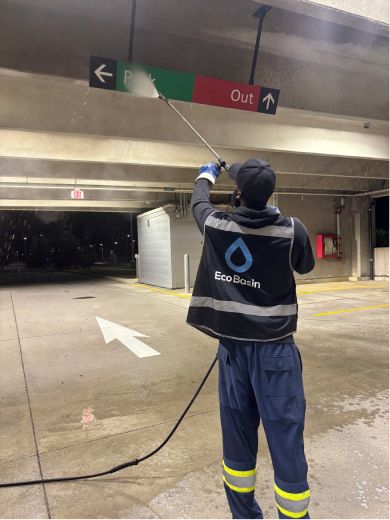
Once the basin is completely empty, the technician uses a high-pressure hydro-jetting tool to blast clean water through the underground pipes. This high-pressure stream cuts through stubborn clogs, scours away grease, and washes off the thick sheets of anaerobic bacterial slime coating the concrete walls. By completely removing the food source and flushing out the bacteria, you eliminate the gases at their source. To ensure the smell doesn’t return next season, property owners should move away from reactive maintenance and establish a scheduled, preventative cleaning program to clear out debris before it has a chance to rot.
Clear the Air and Protect Your Property
Professional drainage maintenance represents the ultimate convergence of property hygiene, structural engineering, and asset protection. A catch basin is a vital piece of infrastructure that should never be ignored until a sudden flood or severe backup occurs. Paying attention to early warning signs, such as an unpleasant odour rising from the metal grate, allows Canadian homeowners and commercial property managers to catch underlying biological and structural failures before they spiral into costly underground emergencies.
Rather than masking odours with temporary chemical cover-ups, addressing the root cause through professional flushing and vacuum extraction keeps your drainage network clean, sanitary, and structurally sound. By clearing out accumulated organic matter, restoring rapid water circulation, and ensuring your system is prepared for heavy rainstorms, you protect your property’s curb appeal and lock in long-term infrastructure stability for years to come.

