
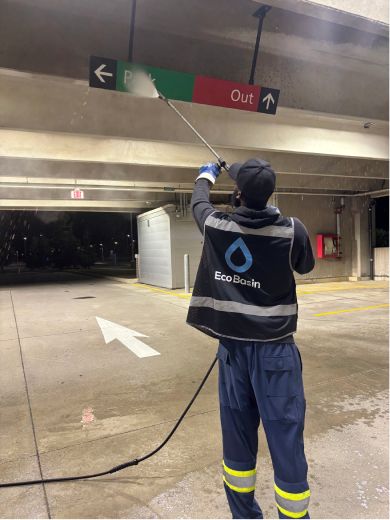
Maintaining a commercial, industrial, or multi-residential property in Canada requires paying close attention to what happens beneath your pavement. Just as an experienced real estate agent inspects exterior grading, foundation walls, and site drainage before valuing a property, facility managers and strata councils rely on routine catch basin cleaning to protect parking lots, loading docks, and building foundations from costly water damage. Beneath every metal storm grate sits a concrete sump engineered to trap heavy sediment before stormwater enters municipal sewer lines—and over months of Canadian weather, that sump fills up fast.
Various types of debris—including winter road sand, de-icing grit, crushed gravel, autumn leaves, motor oil residue, and decaying organic muck—settle at the bottom of the basin. Over time, this buildup blocks water from flowing freely. Manual shovelling or basic bucket scooping rarely reaches the compacted layers inside deep sumps. These methods also fail to clear connecting lateral pipes. Instead, hydro-vac trucks combine high-pressure water jetting with industrial-strength vacuum suction. Together, they scour and evacuate every layer of buildup in a single, safe operation.
The Quick Edit
- Two-Stage Hydraulic Power: Hydro-vac combination trucks use high-pressure water wands and rotary nozzles to liquefy hardened silt and frozen winter grit. At the same time, an oversized vacuum boom pulls the slurry directly into a sealed onboard debris tank.
- Non-Destructive Pipe Protection: Unlike mechanical augers or heavy digging equipment, pressurized water and suction clean gently. They clear concrete sumps and lateral storm pipes without cracking aged concrete or puncturing PVC lines.
- Compliant Environmental Disposal: All extracted sludge, hydrocarbons, and heavy metals remain sealed inside the truck’s tank. Crews then transport this waste to certified municipal or environmental treatment facilities.
Why Canadian Catch Basins Fill Up So Quickly
Catch basins across Canada face a demanding seasonal cycle that accelerates sediment accumulation far faster than in milder climates. During winter, municipalities and private snow-clearing contractors spread thousands of tonnes of traction sand, crushed aggregate, and de-icing salt across driveways, roadways, and commercial parking lots.
When spring temperatures rise and snowbanks melt rapidly, torrential runoff carries all that heavy winter grit straight through storm grates. Inside the catch basin, heavier gravel and coarse sand sink immediately into the bottom sump—the recessed chamber located below the outlet pipe—while lighter silt, organic matter, and automotive runoff settle on top. Over time, repeated wet-dry cycles compress these layers into a dense, concrete-like cake that standard manual tools cannot budge.
Without periodic removal, that sediment layer rises above the invert of the outlet pipe. Once grit spills into lateral storm lines, it restricts flow capacity, triggers stagnant water on your property, and creates dangerous sheet ice when overnight temperatures dip below freezing.
Inside a Hydro-Vac Combination Truck
A modern hydro-vac unit—often called a combination sewer cleaner or vac truck—is a self-contained mobile cleaning and excavation plant mounted on a heavy-duty commercial chassis. Several core systems work together during a catch basin service:
- Freshwater Supply Tank and High-Pressure Pump: Dedicated onboard tanks carry hundreds of gallons of clean water. This water feeds into high-pressure triplex pumps that deliver streams between 2,000 and 4,000 pounds per square inch (PSI). During colder months, operators often heat the water to cut through frozen muck and grease.
- Hydraulic Vacuum Boom and Suction Hose: A top-mounted, articulating boom supports a wide-diameter (typically six- to eight-inch) heavy-duty suction tube. This tube extends directly down into deep catch basin sumps, eliminating the need for workers to climb inside confined spaces.
- Positive-Displacement Blower or Liquid-Ring Vacuum System: Industrial air pumps generate massive airflow and suction power. This system is strong enough to lift heavy river gravel, wet sludge, broken asphalt chunks, and standing water vertically from depths exceeding twenty feet.
- Sealed Debris Tank and Filtration: Extracted material travels straight into a pressurized steel tank. Inside, baffle plates, cyclone separators, and multi-stage air filters trap fine dust while decanting excess surface water cleanly.
Step-by-Step: How Hydro-Vac Catch Basin Cleaning Works
Understanding what happens when a vac truck pulls up to your storm grate shows why professional catch basin cleaning is the standard for commercial plazas, condominium complexes, municipal streets, and industrial yards.
1. Site Setup, Traffic Control, and Grate Inspection
Crews begin by establishing a safe perimeter around the catch basin using high-visibility traffic cones, wheel chocks, and warning beacons. Technicians then use specialized lifting hooks to remove the heavy cast-iron grate and inspect the concrete collar, frame, and upper basin walls for visible cracks, mortar loss, or frost heave displacement.
2. Surface Water and Floating Debris Extraction
Before breaking up deeper sediment layers, the operator lowers the main suction boom into the basin. This initial pass skims off floating leaves, plastic litter, twigs, and standing surface water. Removing the upper water column exposes the compacted silt and gravel bed underneath. As a result, high-pressure water jets can strike the sediment directly rather than losing energy through deep water.
3. High-Pressure Hydro-Jetting and Agitation
Next, the technician directs a handheld high-pressure wash wand—or lowers a specialized spinning rotary nozzle—into the basin. The focused water jets slice through hardened clay, compacted winter road sand, and sticky organic sludge, breaking the dense mass apart and suspending the solids in a pumpable liquid slurry. In late autumn or early spring, heated water cuts rapidly through frozen sediment crusts that would stall conventional equipment.
4. Deep Sump Evacuation and Lateral Pipe Flushing
As the water jets agitate the bottom of the sump, the vacuum boom runs continuously, pulling the liquefied silt, coarse gravel, and sludge cleanly out of the basin into the onboard debris tank. Once the sump floor is bare concrete, technicians frequently feed a self-propelled sewer jetter hose into the outlet pipe. Rear-facing high-pressure jets propel the nozzle down the lateral drain line, scouring away trapped grease, roots, and migrated sand before pulling the loosened debris back into the catch basin sump for final vacuum extraction.
5. Post-Cleaning Structural Check and Certified Disposal
With the basin completely empty and washed clean, operators perform a visual inspection of the exposed concrete walls, sump floor, and pipe joints. This step is critical because hidden structural deterioration only becomes visible once thick sludge is removed. Next, the crew securely reseats the grate. Finally, the truck transports the collected slurry to a licensed dewatering and environmental disposal facility. This ensures heavy metals, road salts, and petroleum hydrocarbons never contaminate local waterways.
Timing Your Maintenance for Maximum Protection
While busy commercial properties with heavy truck traffic often require semi-annual service, scheduling at least one thorough cleaning every year prevents emergency flooding. Specifically, it is important to clean your catch basin in the fall before freezing weather locks fallen leaves, summer dust, and wet silt inside the sump. Clearing full capacity in October or November ensures your drainage system can handle late-autumn rainstorms, mid-winter thaws, and rapid spring snowmelt without backing up across parking stalls or building entrances.
Equally valuable, routine hydro-vac cleaning serves as an early-warning diagnostic tool. When technicians clear away years of packed grime, they can spot crumbling concrete walls, separated outlet pipes, or frost-damaged frames early. Catching these issues prevents minor wear from turning into a collapsed pavement sinkhole. If severe structural decay is uncovered during a cleaning, a full catch basin replacement or precast rebuild restores safe load-bearing capacity and proper drainage grade.
Keeping Your Property’s Drainage Flowing Year-Round
Hydro-vac cleaning takes the guesswork and heavy labour out of storm drain maintenance. Vac trucks pair targeted high-pressure water jets with industrial vacuum extraction to clear away compacted winter gravel, fine silt, and toxic sludge. This approach cleans thoroughly without harming underground infrastructure. As a result, Canadian parking lots, roadways, and foundations stay dry, compliant, and protected through every season.

